



%20(1).avif)

Strengthen your business' holiday cybersecurity with 24/7 monitoring, incident response planning, secure backups, and employee awareness.

November 11, 2026
New advancements in technology are emerging at unprecedented rates, and their reach is expanding into new and unexpected territories, including the ocean’s depths. One of the most innovative frontiers in this space is underwater drone technology, which is transforming how we build artificial reefs, protect marine environments, and secure vital subsea infrastructure. These advancements not only support ecological restoration but also reinforce the digital and physical security of global maritime systems.
Unlocking Depths: The Rise of Underwater Drones
Underwater drones, commonly categorized as Remotely Operated Vehicles (ROVs) and Autonomous Underwater Vehicles (AUVs)—are engineered to perform in environments that are often too dangerous or inaccessible for human divers. Outfitted with sonar, sensors, cameras, and in some cases robotic tools, these submersible platforms are becoming indispensable in sectors ranging from offshore energy and scientific research to port operations and cybersecurity.
Enhanced by secure telemetry and onboard processing, underwater drones offer a powerful combination of real-time visibility and reliable data collection, making them ideal for both industrial and environmental applications.
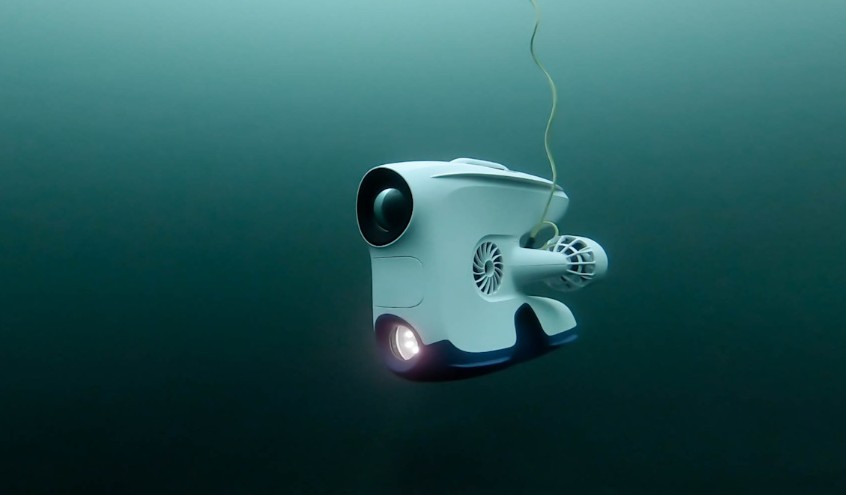
https://www.youtube.com/watch?v=LJCQA4UhS58
Blueye is a global industry leader in underwater drone technology.
Building Artificial Reefs with Precision and Insight
Artificial reefs are human-made structures designed to replicate the functions of natural reefs. Made from concrete, steel, or sustainable composites, they promote biodiversity, provide habitats for marine life, and contribute to coastal protection and eco-tourism. Underwater drones play a pivotal role throughout the reef development lifecycle.
During the planning phase, drones map the seabed and help identify optimal deployment sites while avoiding sensitive ecosystems. During installation, real-time drone feeds ensure accurate placement and structural alignment. Post-deployment, these vehicles support ongoing monitoring of coral growth, water quality, fish populations, and structural stability, providing researchers and conservationists with essential data to monitor success and adapt strategies accordingly.
Securing the Subsea Digital Highway
Beneath the ocean floor lies the backbone of the global internet: a vast network of undersea cables responsible for more than 95% of international data traffic. As the reliance on these systems grows, so does the need for secure, real-time surveillance and maintenance.
Underwater drones help safeguard these assets by enabling routine inspections of cable routes, detecting anomalies or unauthorized activity, and assisting with maintenance of underwater sensor arrays. These drones can also serve as nodes within localized IoT mesh networks, securely transmitting environmental and operational data to surface and cloud-based systems for analysis, threat detection, and long-term planning.
Enhancing Port Security and Operational Efficiency
Ports are increasingly turning to underwater drones to modernize operations and improve maritime safety. These drones support a wide range of critical functions:
A Strategic Investment in Resilience
The convergence of underwater drone technology, artificial reef development, and subsea cybersecurity marks a shift toward smarter, more sustainable maritime infrastructure. These innovations support not only environmental resilience but also the operational integrity of global trade and data systems. As these technologies continue to advance, the possibilities of the depths we can explore are endless.