



%20(1).avif)

Strengthen your business' holiday cybersecurity with 24/7 monitoring, incident response planning, secure backups, and employee awareness.

November 11, 2026
The security landscape has undergone a transformative change in recent years. With growing concerns over breaches and unauthorized access, organizations are seeking sophisticated solutions to address these threats. Enter the Physical Access Control System (PACS) - a blend of technology and security that promises unparalleled protection.
This guide will provide an in-depth look into PACS, highlighting its components, importance, and real-world examples.
At its core, Physical Access Control Systems (PACS) is a security solution that manages and restricts who or what can access locations and resources. While traditional locks and keys offer some level of security, PACS introduces technology-driven measures, ensuring enhanced protection.
For example, a renowned tech company, Google, utilizes PACS to ensure that only authorized personnel can access their data centers, protecting the vast amounts of user data they handle daily.
The functionality of PACS is attributed to its various components, each offering a unique level of protection.
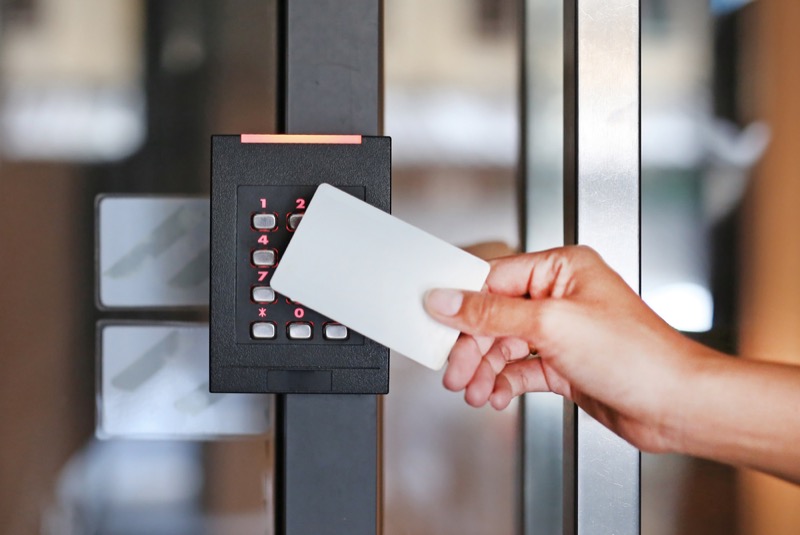
Imagine access cards as your credit cards' security counterparts. They carry vital credentials, often stored on a chip, magnetic stripe, or an embedded digital format. When users approach an access point, the system verifies their card's data against a central database to grant or deny entry.
Acting as gatekeepers, card readers sit at designated entry points, ready to scan and validate presented access cards. Hotels around the world provide a practical example. They use card readers to give guests a heightened sense of security, ensuring only those with a valid card can access specific areas.
Common in high-security zones, access control keypads wait for a personal identification number (PIN) before allowing entry. This dual security layer—possessing the keypad and knowing the PIN—makes them indispensable in places like banks. Vaults, which safeguard money and critical documents, use these keypads to deter unauthorized individuals.
While traditional locks have served their purpose, the modern era demands advanced security solutions. Electric lock hardware fills this gap. Controlled electronically, these locks often team up with other PACS components like card readers. They offer perks such as remote control and timed access. Yale, a pioneer in security solutions, has driven many innovations in this space.
Proximity sensors, the next step in PACS evolution, offer a seamless access experience by detecting a card's presence without direct contact. This hands-free approach finds its use in facilities like parking garages, where vehicles with a proximity card can enter without any human intervention.
Security doors stand as formidable barriers in the PACS landscape. These aren't just any doors; they resist force, tampering, and other unauthorized attempts. High-security places, like the Pentagon, rely on these fortified doors to safeguard critical information, while also integrating smoothly with other PACS components for a rounded security approach.

The value of Physical Access Control Systems (PACS) extends far beyond basic security measures. Let's explore the multifaceted advantages they bring to the table:

Deploying a Physical Access Control System (PACS) isn't just about buying hardware and installing it. A successful deployment involves strategic planning and execution. Here's a step-by-step guide:
Start by pinpointing the areas that need protection. It's all about understanding vulnerabilities. If you operate a manufacturing unit, for example, the machinery section might be your top priority. By identifying critical areas first, you can ensure a focused deployment.
Once you've assessed your needs, dive into selecting the right PACS type. There's a multitude of systems out there, and each caters to different needs. Resources like Security Magazine are excellent places to get insights and reviews, helping you make an informed choice.
After selecting the system, you'll need to procure the components. Remember, quality is paramount when it comes to security. Opt for reputed brands that are known for their reliability and durability. Brands like Bosch, for instance, have a track record of offering top-notch PACS hardware.
With all the components in hand, it's time to integrate the PACS into your existing infrastructure. This might involve syncing it with your IT systems, setting up the software, or even tweaking certain physical layouts. And let's not forget the human element. Your staff will need to interact with the PACS daily. A comprehensive training ensures they're well-versed with its functionalities, ensuring smooth daily operations.
A PACS isn't a 'set-it-and-forget-it' system. Regular maintenance ensures it runs optimally. This involves updating the software, checking the hardware for wear and tear, and periodically reassessing the areas of protection to accommodate any changes in your infrastructure.
Modern security challenges require advanced solutions. Physical Access Control Systems, especially the best physical access control systems, are at the cutting edge of this security transformation, melding technology with rigorous safety protocols.
As organizations look to bolster their defenses, turning to experts like Allied IT Systems can offer peace of mind, ensuring that facilities remain invulnerable to threats. Whether it's a startup or a multinational conglomerate, PACS is setting the benchmark for security in the modern era.